Source Handmade Minimalist Matcha Tea Bowl for Ceremonies
Explore 30 options for the handmade minimalist matcha tea bowl, featuring ceramic materials and customizable logos. Compare specifications like volume and size to find suitable suppliers for traditional tea preparation and daily use; compare the available evidence and request quotations based on your requirements.
Key considerations
Products List
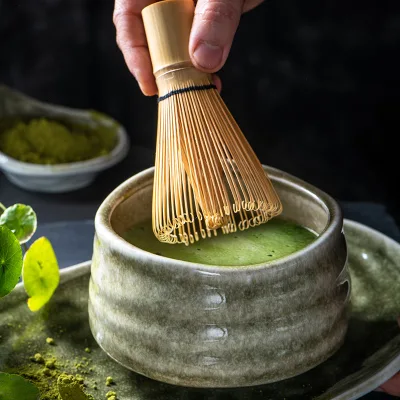
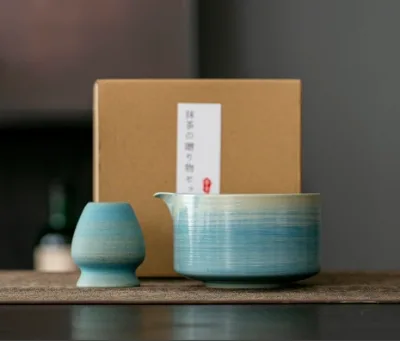
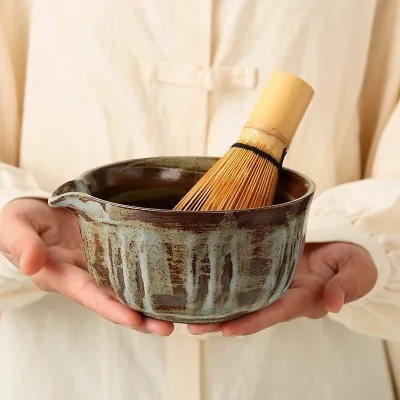
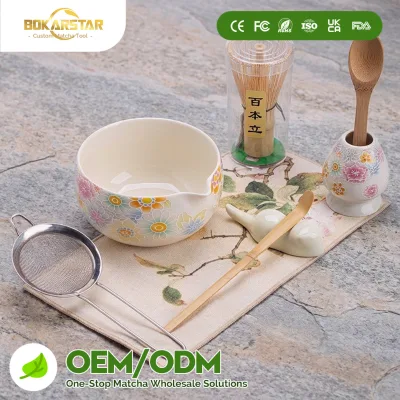




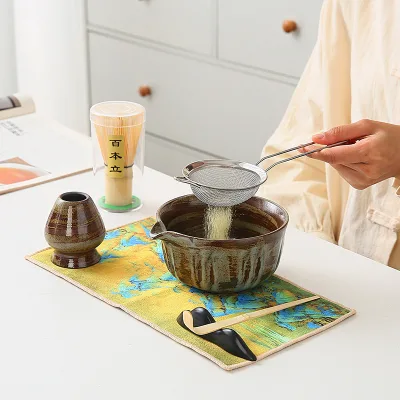
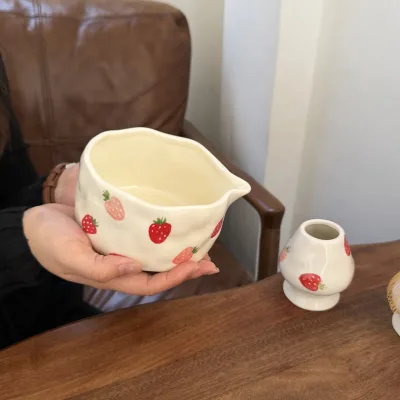


Comprehensive Sourcing Guide
Handmade Minimalist Matcha Tea Bowl Sourcing Guide
Procuring handmade minimalist matcha tea bowls requires distinguishing between mass-produced ceramic ware and authentic artisanal pieces that define the category. The observed market data reveals a diverse inventory ranging from simple 280ml vessels to larger 500ml options, with specific listings highlighting "Harmony" and "Fambe Blaze" as distinct product lines. Buyers must carefully evaluate whether a supplier offers true handmade craftsmanship or merely machine-pressed ceramics marketed with similar terminology, as the production method significantly impacts the final texture and durability of the bowl.
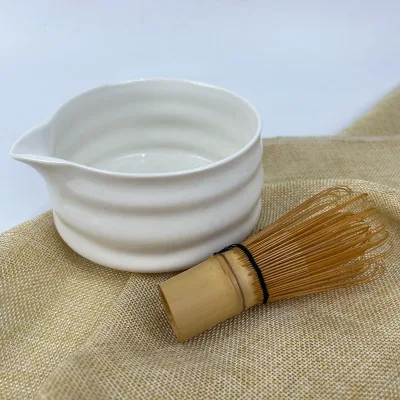
The visual and functional scope of these products varies widely, with some listings specifying a "Classic" style while others emphasize custom colors or spout designs for mixing. While some products are described as "Eco-Friendly" and "Stocked," others require custom packaging and logo application, indicating a split between ready-to-ship inventory and bespoke manufacturing. Sourcing strategies should prioritize suppliers who clearly define their production capabilities, ensuring the selected bowl aligns with the intended aesthetic of a minimalist tea ceremony or modern coffee service.
Product Scope and Observed Listing Signals
Buyers should analyze the specific product attributes listed to determine if the item fits the minimalist aesthetic, noting that sizes range from approximately 10cm to 14.5cm in diameter with varying heights. The data indicates a wide spectrum of capacities, including 280ml, 450ml, and 500ml options, which directly influences the bowl's suitability for traditional whisking versus casual consumption. Understanding these dimensional signals helps procurement teams select the correct vessel for their specific operational needs, whether for high-volume retail or specialized boutique distribution.
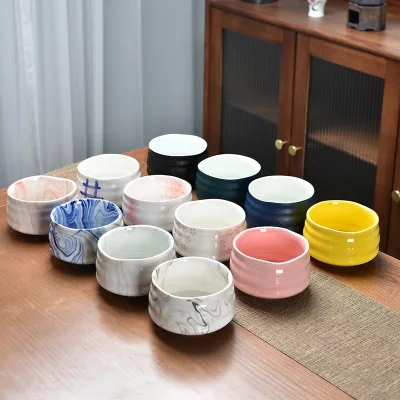
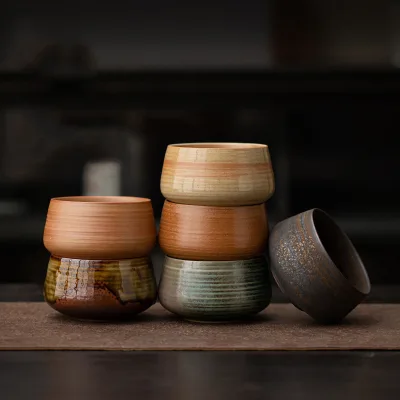
Listing signals also reveal significant variation in branding and customization options, with some suppliers offering "Customized Logo" services while others provide pre-defined brand names like "Bokar" or "Astief." The presence of multiple color types, ranging from specific hues like white and blue to generic "Type 1" through "Type 18" designations, suggests a need for rigorous sample verification before bulk ordering. Procurement teams must verify if the "handmade" claim extends to the glazing and finishing processes, as these details are often the primary differentiators in the minimalist ceramic market.
Technical Specifications to Verify
Technical verification must begin with the material composition, as the supplied facts consistently identify "Ceramic" as the primary substance, yet the firing temperature and clay body density remain critical unverified variables. Buyers should request detailed specifications regarding the single package size and gross weight, as these metrics impact shipping costs and packaging efficiency, with observed data showing weights up to 1.2kg and package dimensions around 15x12x10 cm. Ensuring the physical specifications match the intended retail presentation is essential for maintaining brand integrity and minimizing logistics expenses.
Capacity and volume consistency are equally vital, with observed listings showing capacities from 280ml to 500ml, requiring precise measurement to ensure uniformity across a production batch. The model numbers, such as "MS 038" or "Matcha bowl with spout," serve as unique identifiers that must be cross-referenced with physical samples to confirm the presence of functional features like spouts or specific rim profiles. Procurement teams should insist on dimensional tolerances for the "Sizq" measurements to guarantee that every bowl in the order meets the strict geometric requirements of a minimalist design.
Compliance and Safety Documentation
Safety compliance is a non-negotiable aspect of sourcing ceramic drinkware, particularly when the product is intended for direct food contact. The provided data explicitly mentions "LFGB" and "FDA" certifications for certain listings, which are critical standards for ensuring the glaze and clay do not leach harmful substances into hot beverages. Buyers must verify that these certifications are current and apply to the specific batch being ordered, as ceramic safety standards can vary significantly between different manufacturing facilities and production runs.
Beyond chemical safety, documentation regarding the "Eco-Friendly" claims found in the product attributes requires substantiation through third-party audits or material safety data sheets. Procurement teams should request evidence that the "Custom Packing" options do not introduce non-compliant materials, especially if the packaging is marketed as sustainable. Ensuring that all safety and environmental claims are backed by verifiable documentation protects the buyer from regulatory liabilities and aligns the supply chain with modern corporate responsibility standards.
Cost Drivers and Commercial Terms
Cost structures in this category are heavily influenced by the level of customization, with "Customized Logo" and "Custom Packing" services adding significant variable costs to the base unit price. The observed price range of 0.1 to 19.99 USD suggests a wide disparity between basic stock items and premium, hand-finished pieces, necessitating a clear definition of quality expectations before negotiating terms. Buyers must understand that lower price points often correlate with machine production, while higher costs may reflect the labor intensity of genuine handmade craftsmanship.
Minimum Order Quantities (MOQ) and lead times are also key commercial variables, with observed MOQs ranging from 1 to 500 units depending on the supplier's capacity and the complexity of the order. Suppliers offering "Single item" selling units may cater to small retailers, while those requiring bulk orders for "48pcs/ctn" packaging are better suited for larger distributors. Negotiating favorable terms requires balancing the desire for low MOQs with the need for consistent quality, as smaller batches often incur higher per-unit costs due to setup and labor inefficiencies.
Supplier Qualification and Quality Control
Supplier qualification should focus on verifying the origin of production, as the data indicates manufacturing locations in both Shandong and Guangdong, China, each with distinct industrial capabilities. Buyers must assess whether the supplier has a proven track record in producing "handmade" items, as the distinction between artisanal and industrial production is often blurred in online listings. Requesting factory audits or video tours can provide insight into the actual production environment and the level of human involvement in the crafting process.
Quality control protocols must be rigorous, given the inherent variability of handmade ceramics. Buyers should establish clear acceptance criteria for defects such as glaze irregularities, warping, or dimensional inconsistencies, which are common in ceramic manufacturing. Implementing a pre-shipment inspection process is essential to ensure that the final products meet the specified "Classic" style and functional requirements, preventing costly returns and maintaining customer satisfaction in the competitive matcha bowl market.
Long-Term Procurement Checks
Sustainable procurement requires establishing long-term relationships with suppliers who can consistently deliver high-quality products while adapting to changing market demands. Buyers should monitor supplier performance over time, tracking metrics such as on-time delivery, defect rates, and responsiveness to customization requests to ensure reliability. Building a partnership with a supplier who understands the nuances of the "handmade" aesthetic allows for continuous improvement and innovation in product design and functionality.
Regular re-evaluation of the supply chain is necessary to ensure that the products continue to meet evolving safety standards and consumer expectations. Procurement teams should periodically review the "Eco-Friendly" claims and certification status of their suppliers to maintain compliance with international regulations. By maintaining a proactive approach to supplier management, buyers can mitigate risks and secure a steady supply of premium matcha bowls that align with their brand values and market positioning.
FAQs
What materials are used for handmade minimalist matcha tea bowls?
These bowls are crafted from high-quality ceramic materials to ensure durability and heat retention. The product listings confirm ceramic as the primary material, often featuring eco-friendly attributes suitable for daily tea preparation and serving.
Can I request a customized logo on these ceramic matcha bowls?
Yes, customization is available for adding your specific logo to the ceramic bowls. Many suppliers accept customized logos and offer flexible packing options, allowing you to brand the products according to your business requirements.
What is the typical capacity range for these handmade matcha tea bowls?
The capacity varies by model, with observed volumes ranging from 280ml to 500ml. Specific listings indicate capacities like 450ml or 500ml, ensuring options exist for different serving sizes and tea preparation styles.
Which certifications do these ceramic matcha bowls typically hold?
Some products in this category hold LFGB and FDA certifications to ensure food safety standards. These certifications verify that the ceramic materials are safe for contact with food and beverages, meeting international regulatory requirements.
How can I find suppliers offering stock availability for these bowls?
You can identify vendors that list stocked items to ensure faster delivery times. Several product entries explicitly mention stock availability, allowing buyers to source immediately without waiting for long production lead times.
What are the standard dimensions for a classic style matcha bowl?
Standard dimensions vary, with observed sizes including approximately 11.3cm in diameter or 12.5cm by 7.5cm. These measurements reflect the classic style often found in Japanese-inspired ceramic designs for matcha preparation.
Can I order these bowls with custom colors and packaging?
Yes, suppliers often accept customized colors and packaging to meet specific branding needs. Listings indicate options for various color types and customizable packing arrangements, providing flexibility for diverse market requirements.